
How to Support a Loved One Struggling with Mental Health

Mental health challenges are more common than we think and they don’t just affect the person going through them. When someone close to us is struggling, we often feel helpless, unsure, or even scared of saying the wrong thing. But your support can be one of the most powerful things in their recovery journey. Not by offering fixes, but by offering patience, love, and consistency. It’s not about having all the answers, it’s about walking beside them, even when the path is unclear. Recognizing the Signs Mental health struggles often begin quietly. You might notice they’re more withdrawn than usual, or their moods swing unexpectedly. Maybe they’ve stopped enjoying the things they used to love, or they always seem tired, irritated, or “not themselves.” These aren’t just phases or personality shifts; they could be signs that something deeper is going on. What matters is noticing with care, not judgment. You don’t need to diagnose anything. You just need to pay attention and be there. Starting the Conversation This part can feel awkward. How do you even bring it up? Start by creating a quiet, private space with no distractions, no pressure. Speak gently and honestly. Saying something like, “I’ve noticed you’ve seemed a bit down lately. I care about you. Want to talk about it?” can open the door. Avoid phrases like “Just cheer up” or “You’ll be fine”. These can make someone feel dismissed or misunderstood. Sometimes the best thing you can do is sit with them, without forcing them to talk. Just knowing someone sees them can be a relief. Being There Without Fixing It’s tempting to jump into problem-solving mode. But mental health support isn’t about offering quick solutions. What they need most is your presence. Your ability to listen without interrupting, to sit with their pain without trying to erase it, is more powerful than any advice. If you’re not sure what to say, try this: “That sounds hard. I’m here for you. ”Sometimes, that’s all they need. Encouraging Professional Help While your support is important, it can’t replace professional help. If you feel the time is right, gently suggest they speak to a therapist or counselor. Say it with care, not pressure. “I really think talking to someone trained in this could help. I can help you find someone if you’d like.” Don’t push. Let them decide when they’re ready but keep the door open and remind them that help is available, and there’s no shame in asking for it. Offering Practical Support When someone is mentally overwhelmed, even basic daily tasks can feel like climbing a mountain. Offering simple, consistent help like driving them to an appointment, cooking a meal, or helping them organize their day can be incredibly comforting. These aren’t grand gestures, but they show reliability and care. And sometimes, that’s what someone needs most: to know they’re not alone in the everyday moments. Taking Care of Yourself Too Supporting someone else emotionally can take a toll on your own well-being. It’s okay to feel tired, frustrated, or emotionally drained. It doesn’t make you a bad friend or partner, it makes you human. Set healthy boundaries. Know when to pause, when to recharge, and when to ask for help yourself. You can’t pour from an empty cup. Taking care of yourself is part of being a strong support system. Breaking the Stigma Mental health struggles are nothing to be ashamed of but stigma still exists. You can help break that stigma by having open conversations, educating yourself, and gently correcting harmful myths when you hear them. Be an advocate in your own circle. The more we talk about mental health, the more people feel safe reaching out when they’re struggling. Conclusion You don’t need to have it all figured out to help someone with their mental health. Small actions listening, checking in, and showing up, can create a big impact. So keep showing up with love. Keep listening without judgment. Keep reminding them that they matter. Because sometimes, the most powerful thing you can offer is your steady presence, and that might be exactly what they need to take their first step toward healing.
Emotional Distance in Relationships: What Causes It and How to Reconnect

Have you ever felt like you’re in the same room, but miles apart? Your partner’s right next to you, yet the silence between you says more than words ever could. That, right there, is emotional distance and it’s more common than you think. At Open Minds UAE, we’ve seen couples silently struggle for years before they say, “We feel like roommates, not partners.” The truth? Emotional distance in relationships doesn’t just “happen.” It builds up quietly, often unnoticed, until one day, you wake up feeling disconnected. Let’s talk about what emotional distance really is, what causes it, and more importantly how to bridge the gap before it’s too wide to cross. What is Emotional Distance? Emotional distance is a lack of closeness and emotional connection in a relationship. It’s when two people feel emotionally out of sync even if they live under the same roof. How do you know you’re experiencing it? Here are a few signs: In short, something feels off, and it lingers like an invisible wall. Common Causes of Emotional Distance A. Life Stressors Modern life is no joke. Between long work hours, tight finances, and never-ending parenting responsibilities, emotional connection often gets shoved to the bottom of the to-do list. But connection doesn’t happen automatically; it needs space to breathe. B. Unresolved Conflict Leftover fights don’t just vanish. You will soon trip over the pile if you continue to ignore it. Unresolved arguments and silent resentment slowly chip away at emotional safety. C. Lack of Communication If your conversations sound like daily briefings (“Dinner’s on the table,” “Don’t forget the groceries”), you’re stuck at the surface. Fear of vulnerability or emotional expression can create distance faster than you’d expect. D. Mental Health Concerns Depression, anxiety, or past trauma can all act like invisible barriers. Sometimes, your partner isn’t pulling away from you; they’re battling something internal. E. Technology and Distractions We love our phones but they’re not great at cuddling. Constant screen time, social media scrolling, or binge-watching shows can feel more comforting than real conversations. The downside? Emotional disconnect. F. Physical Intimacy Decline Physical closeness matters. When hugs, touches, or even eye contact fade, the emotional bond often follows. Intimacy is more than just physical; it’s how we say, “I’m here. I see you.” How Emotional Distance Affects Relationships When emotional distance grows, so does doubt. It’s like living in a house with no Wi-Fi technically connected, but nothing’s loading. How to Reconnect: Practical Strategies A. Start With Honest Communication Carve out time for a no-distraction chat. Use “I feel” rather than “You never.” For instance, “I feel disconnected lately” is preferable to “You don’t care.” B. Rebuild Emotional Intimacy Relearn each other. Ask your partner about their dreams, fears, or even what made them laugh today. Little check-ins can make a big difference. C. Seek Professional Help A therapist offers a safe, neutral space to unpack what’s going on. Sometimes, having someone mediate can open doors you didn’t even know were shut. D. Practice Empathy and Active Listening Try listening to understand, not just respond. Sometimes your partner wants to feel heard more than they want answers. E. Reignite Physical Affection Small gestures go a long way. Hugs, holding hands, or surprise date nights can rekindle that spark and slowly rebuild trust. When to Seek Help from a Therapist If emotional distance starts feeling like the new normal, it’s time to get support. A trained professional can help you: You don’t need to wait for things to fall apart to ask for help. Final Thoughts Emotional distance in relationships doesn’t mean the end. It’s a signal that says, “Hey, you need to pay attention to this.” Reconnecting takes work, yes, but it’s possible. It begins with noticing the gap, choosing to bridge it, and taking small, intentional steps together. Need Help Rebuilding Your Connection? At Open Minds UAE, our expert therapists and counselors are here to guide you through the journey of healing and reconnection. Whether you’re dealing with emotional distance, communication breakdown, or just feeling stuck we’re here to help.
Understanding ADHD in Children: Signs Every Parent Should Know

We’ve all seen it , the child who can’t sit still at dinner, forgets instructions five seconds after hearing them, or talks non-stop through a movie. While these behaviors might seem typical (and sometimes funny), they could also be early signs of something deeper: ADHD in children. The prevalence of attention-deficit/hyperactivity disorder is higher than most people realize. It affects millions of children worldwide, and yes, even in the UAE. The sooner it’s identified, the sooner parents can step in and provide the right kind of support. Let’s break down what ADHD is in real-world, parent-friendly terms. What Is ADHD? ADHD stands for Attention-Deficit/Hyperactivity Disorder, a brain-based condition that affects how children pay attention, control impulses, and regulate activity levels. There are three main types. The inattentive type means a child may struggle to focus or listen. The hyperactive-impulsive type often shows up as restlessness and blurting things out. The combined type the most common features symptoms from both. ADHD is not brought on by sugar or poor parenting, despite popular belief. And no, kids don’t just “grow out of it.” With proper care, they learn how to manage it and often thrive. Early Signs of ADHD in Children Every child zones out or acts impulsively now and then. However, among people with ADHD, these behaviors occur frequently and in a variety of contexts, including social, familial, and educational settings. Inattention may look like constantly losing things, missing details in homework, or seeming to “tune out” when spoken to. Even fun activities might not hold their focus for long. Hyperactivity shows up as constant fidgeting, climbing in inappropriate places, or nonstop talking like there’s a motor running inside them that never turns off. Impulsivity can be more socially tricky. Common indicators include grabbing items without asking, interrupting discussions, or blurting out replies before the inquiry is finished. These behaviors aren’t about being “naughty.” They’re often symptoms of a brain that’s wired differently and that’s okay. How ADHD Affects a Child’s Daily Life ADHD can turn everyday life into a bit of a rollercoaster. At school, a child might fall behind academically, not because they can’t learn, but because they can’t focus long enough to absorb what’s being taught. Disciplinary issues may follow, not due to bad intentions but because of impulsive behavior. Socially, friendships can suffer. Other kids might misinterpret impulsive outbursts or hyperactivity as rudeness or aggression. Emotionally, the child may feel misunderstood, frustrated, or left out which can lead to low self-esteem. These challenges aren’t always obvious from the outside. That’s why early awareness is so important. When Should Parents Be Concerned? It’s normal for kids to be forgetful or bouncy. But if you’ve noticed a consistent pattern for more than six months, and it’s affecting school, home life, and friendships, it’s worth exploring. Also, consider the context. Is your child’s behavior very different from other kids their age? Are teachers or caregivers raising concerns? Trust your gut parents usually sense when something’s not quite right. Diagnosis and Evaluation This could be a pediatrician, child psychologist, or developmental specialist. A proper evaluation might include observing your child’s behavior, collecting feedback from teachers, and using standardized checklists. The goal is to rule out other conditions like anxiety or learning difficulties, which can sometimes mimic ADHD symptoms. Once a diagnosis is confirmed, you’ll have a clear path forward—and that’s empowering. What Parents Can Do First, remember: you’re not alone, and this isn’t your fault. Although raising a child with ADHD can seem overwhelming, it becomes easier with time and planning. Children with ADHD thrive on routine. Creating daily schedules, giving clear instructions, and breaking tasks into small steps can help reduce frustration for both of you. Positive reinforcement goes a long way, too. Praise their efforts, not just results. Also, stay connected with teachers and specialists. Working as a team ensures your child gets consistent support at home and school. Treatment Options Treatment isn’t one-size-fits-all. It usually involves a mix of strategies tailored to your child’s needs. Behavioral therapy can teach both children and parents tools to manage symptoms. Schools may offer accommodations, like extra time on tests or quiet seating. In some cases, medication is recommended to help regulate attention and impulse control. Many families also explore holistic options, like healthy eating, physical activity, and mindfulness techniques. When combined with therapy or school support, these can significantly improve day-to-day life. Conclusion: You’re Not Alone Raising a child with ADHD brings unique challenges but also incredible strengths. These kids are often creative, energetic, and full of potential. With early understanding and the right support, they can flourish. The most crucial step is identifying the symptoms and getting assistance. You don’t need to accomplish it alone. Support Is Just a Call Away – Open Minds UAE If you suspect your child may have ADHD, our team at Open Minds UAE is here to support you every step of the way. We offer expert assessments, personalized therapy plans, and compassionate guidance for families navigating ADHD in children.
10 Everyday Habits That Secretly Affect Your Mental Health
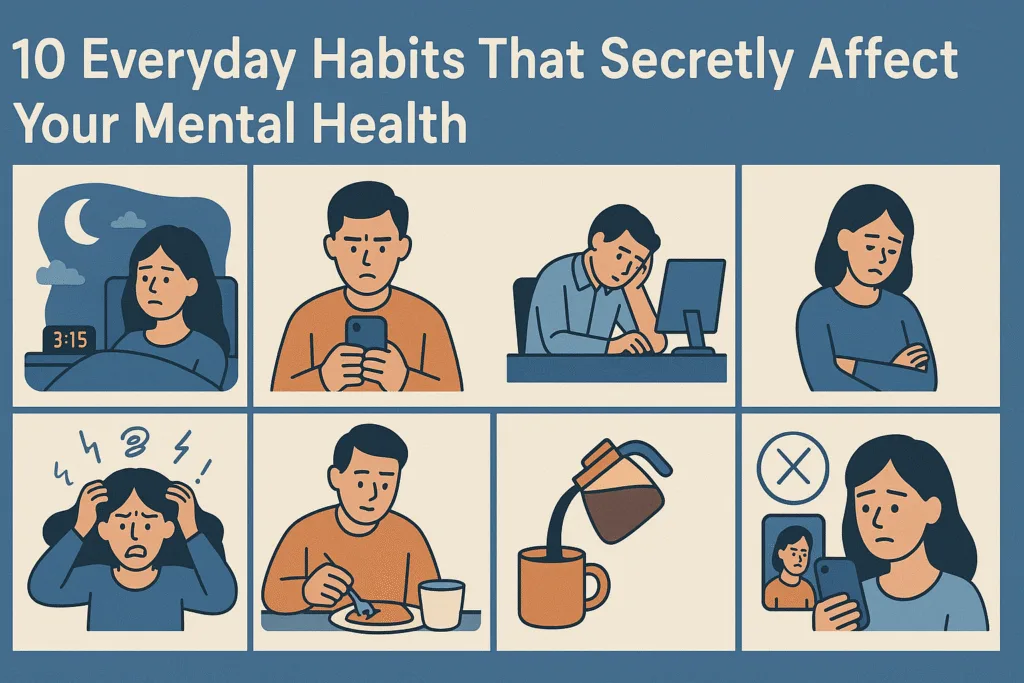
We all have routines to wake up, check our phones, grab coffee, hustle through the day, maybe scroll some more before crashing into bed. Sounds normal, right? But what if these tiny, everyday habits are quietly messing with your mental health? The truth is, many common behaviors we barely notice can affect how we feel emotionally and mentally. The good news? Awareness is the first step toward change. By making a few small, mindful adjustments, you can significantly improve your mood, focus, and resilience. Let’s dive into ten sneaky habits that might be doing more harm than you think and what to do instead. 10 Everyday Habits Affect Your Mental Health 1. Scrolling Excessively on Social Media Ever opened Instagram just to “check one thing” and found yourself still there an hour later, spiraling through beach vacations and aesthetic coffee reels? Too much scrolling can lead to comparison syndrome and doom scrolling where you consume negative news nonstop. This overstimulation can fry your brain and drain your mood. Set time limits or take social media breaks. Try replacing late-night scrolling with music or journaling. Your brain will thank you. 2. Skipping Meals or Eating Unhealthy Foods Skipped breakfast again? Or grabbed chips for lunch? Your brain runs on fuel, and when it’s low, your mood takes a nosedive. Anxiety, irritability, and fogginess can result from blood sugar falls. Additionally, because your gut and brain are closest friends, the food you eat has a direct impact on how you feel. Aim for balanced meals and snacks mindfully. Think less junk, more joyful nourishment. 3. Lack of Quality Sleep That “just one more episode” moment? Harmless until you’re staring at the ceiling at 3 AM. Sleep isn’t just rest it’s your emotional reset button. Poor sleep messes with memory, focus, and increases stress. Over time, it can even contribute to anxiety and depression. Create a bedtime ritual. Turn off the phone, turn down the lights, and relax. 4. Saying Yes to Everything (People-Pleasing) It could be time to take a break if your calendar appears to be a battleground of obligations. It’s common to say “yes” to everyone while saying “no” to oneself. It causes burnout, emotional weariness, and identity loss. Often, it stems from deep-seated self-worth issues. Practice the power of a polite “no.” Boundaries aren’t selfish, they’re survival. 5. Avoiding Physical Activity If your daily workout involves only walking to the fridge, we need to talk. Exercise isn’t just for abs. It boosts endorphins, those magical mood-lifting chemicals. A sedentary lifestyle, on the other hand, can worsen symptoms of depression and anxiety. You don’t need a gym membership. A brisk walk, dance break, or yoga video works wonders. 6. Bottling Up Emotions Raise your hand if you’ve ever said, “I’m fine,” when you’re not. Emotional suppression is like shaking a Coke can; eventually, it will burst. Whether it’s anger, sadness, or stress, unexpressed feelings build up. Talk to someone. Journal. Or consider speaking to a therapist. Let it out, you deserve peace. 7. Overconsumption of Caffeine or Sugar Coffee is life… until it’s chaos. Sure, caffeine gives you that boost, but too much can spike anxiety and mess with sleep. You may become angry and lethargic after a sugar drop. Cut back slowly. Swap that third coffee for herbal tea or water. Your mood will even out, promise. 8. Comparing Yourself Constantly “She’s already married with two kids and a startup? I just learned how to fold laundry properly!” Constant comparison creates toxic inner dialogues. It makes you feel “less than,” even when you’re doing just fine. Unfollow accounts that trigger insecurity. Focus on your path, there’s no deadline to happiness. 9. Multitasking All the Time Texting, emailing, and eating while watching YouTube? Sounds productive but it’s actually draining. Multitasking fries your brain’s ability to focus and be present. It can leave you mentally scattered and emotionally exhausted. Try monotasking. Do one thing at a time, fully. It’s not lazy, it’s mindful. 10. Neglecting Social Connections Being “too busy” to catch up with friends might seem harmless, but isolation quietly chips away at your well-being. Humans are social beings. Even introverts need emotional support. Anxiety, despair, and even physical health hazards can all be exacerbated by loneliness. Schedule regular chats, video calls, or coffee meetups. Connection heals more than you realize. Conclusion None of us is perfect, and that’s okay. But small, intentional changes to your everyday habits can lead to massive shifts in how you feel emotionally and mentally. Choose one habit to improve this week to start. Reflect on your routines, and be kind to yourself in the process. And if any of these patterns feel overwhelming or hard to change on your own, it might be time to speak with a mental health professional. At Open Minds UAE, we’re here to guide you every step of the way.
7 Signs You Should Consider Seeing a Psychologist

Feeling overwhelmed or stuck? Discover 7 signs that indicate it might be time to see a psychologist and prioritize your mental well-being. In today’s fast-moving world, especially in a city like Dubai, it’s easy to get caught up in work, responsibilities, and the pressure to stay “strong.” But sometimes, behind the busy schedule and the smiling face, your mind and emotions might be silently asking for help. Mental health struggles don’t always show up loudly. Sometimes, they’re whispers of a feeling that something’s not quite right.If you’ve been wondering whether you need support, Here are 7 signs that it might be time to talk to a psychologist. 1. You’re constantly feeling overwhelmed If even small tasks feel exhausting, or you find yourself snapping at little things, it might not be just “stress.”Feeling emotionally and mentally drained every day could mean you’re carrying more than you realize. A psychologist can help you understand the source of this stress and provide guidance on how to manage it effectively without burning out. 2. You’re not feeling like yourself Sometimes, you just don’t feel “okay,” but you can’t explain why. You may feel disconnected, restless, anxious, or low for no clear reason. That vague, stuck feeling is something many people experience, and it’s valid. Therapy provides a safe space to explore what’s happening beneath the surface. 3. You’ve been through a big life change Whether it’s a breakup, job loss, moving to Dubai, becoming a parent, or losing someone close, big changes affect us emotionally, even if we don’t talk about it. Therapy helps you process these transitions healthily, instead of just pushing through and pretending you’re fine. 4. Your sleep and appetite are all over the place If you’re not sleeping well, or you’re eating much more or much less than usual, your mind could be telling you it’s not okay. Sleep and appetite are directly linked to mental health. A psychologist can help you understand the emotional triggers behind these changes and work with you to restore balance. 5. You’re withdrawing from people Do you find yourself avoiding friends, skipping social plans, or not picking up the phone?When we’re mentally and emotionally drained, we often isolate ourselves even from those we love. That’s usually a sign you need care and connection, not more loneliness. Therapy gently helps you reconnect, first with yourself, then with others. 6. You’re coping in unhealthy ways Sometimes when we’re struggling, we turn to habits that aren’t good for us, like emotional eating, endless scrolling, overworking, or drinking just to escape. These coping patterns may feel like quick fixes, but they don’t heal the real problem. A psychologist helps you understand what you’re trying to numb and shows you better ways to deal with those emotions. 7. You’ve thought: “Do I need therapy?” Even asking yourself that question is a powerful sign.If you’ve ever wondered, “Should I talk to someone?” that’s your mind’s way of saying it’s time to explore your emotions a bit deeper. And no, things don’t have to be “really bad” to ask for help. Therapy can be helpful even when you’re just feeling a little lost or unsure. You’re Not Alone — and You Don’t Have to Figure It Out All By Yourself At Open Minds UAE, we believe that taking care of your mental health is just as important as your physical health.Whether you’re struggling with anxiety, stress, emotional confusion, or just feeling “off,” our psychologists in Dubai are here to help, with compassion and zero judgment. We offer both in-person and online sessions so you can talk in a way that’s comfortable and private for you. Final Thought You don’t need to wait for a breakdown to talk to a psychologist.Sometimes, the kindest thing you can do for yourself is admit: “I’m not okay and that’s okay.” Asking for help is not a weakness. It’s a strength. It’s self-care. And it’s the first step toward feeling better.
Bipolar Disorder: Signs, Diagnosis, and Treatment Options

Bipolar Disorder is a serious mental health condition that involves extreme mood swings. These shifts range from emotional highs, known as mania or hypomania, to intense lows or depressive episodes. While it’s common for everyone to experience ups and downs, bipolar disorder causes mood changes that are more intense and longer-lasting often affecting relationships, work, and daily life. At Open Minds Psychiatry, Counselling & Neuroscience Centre in Dubai, we understand how challenging bipolar disorder can be. Our team of mental health experts is here to help individuals better understand, manage, and live well with this condition. What is Bipolar Disorder? Bipolar disorder affects thoughts, energy levels, behavior, and even sleep patterns. There are different types of bipolar disorder, but the most common are: Each person’s experience is different. Some may go weeks or months between mood shifts, while others may cycle more rapidly. Common Signs to Watch For Bipolar Disorder During manic phases, people may feel unusually energetic, overly confident, talkative, or have racing thoughts. They may take risks they normally wouldn’t. In depressive episodes, they may feel hopeless, tired, or lose interest in activities they once enjoyed. Sleep and appetite changes are also common. It’s not just mood that’s affected bipolar disorder can disrupt concentration, daily routines, relationships, and job performance. How Diagnosis Works Getting the right diagnosis is key. At Openminds UAE, we begin with a detailed consultation that includes understanding your history, symptoms, and current challenges. We may also use standardized psychological assessments and coordinate with your primary doctor if physical health checks are needed. Since bipolar disorder is sometimes mistaken for depression or other conditions, professional evaluation is essential. Treatment Options at Openminds UAE Bipolar disorder is a lifelong condition, but with proper treatment, many people lead full, productive lives. Treatment usually combines medication and therapy. Medication helps stabilize mood and prevent future episodes. Our psychiatrists may recommend mood stabilizers or other options based on your individual needs. Equally important is psychotherapy. Talking with a trained therapist helps you identify mood patterns, build coping strategies, and improve relationships. We often use approaches like Cognitive Behavioral Therapy (CBT), Mindfulness, and Family Therapy as needed. Lifestyle changes also make a big difference. Regular sleep, exercise, a healthy diet, and stress management all support emotional stability. Why Choose Openminds UAE ? What makes us different is our integrated, personalized approach. Our team of psychiatrists, psychologists, and therapists works together to design treatment that fits your unique needs whether you are a teenager, adult, or older adult. We offer a safe, confidential space to talk, heal, and grow. With decades of experience and a compassionate team, Openminds UAE is one of Dubai’s leading mental health centers. Take the First Step Toward Stability Bipolar disorder is not your fault, and you don’t have to face it alone. With professional care, understanding, and the right tools, it is possible to live a fulfilling and balanced life. At Openminds UAE, we’re here to support you every step of the way.
How to Build Emotional Resilience with the Help of a Psychologist

Ever wonder why some people bounce back faster from stress or trauma, while others get stuck? The secret often lies in emotional resilience and yes, it’s something you can build, especially with professional support. In a world that rarely hits pause, emotional resilience has become more than just a buzzword. It’s your emotional survival kit. Whether you’re juggling work, relationships, or unexpected life curveballs, resilience helps you bounce back, adapt, and stay grounded. And here’s the thing: while some people seem naturally resilient, many have strengthened it through therapy. With the help of a psychologist, you don’t just “cope” better, you grow stronger. What Is Emotional Resilience? Let’s keep it simple: emotional resilience is your ability to recover from stress, trauma, or adversity. It’s not about avoiding emotional pain; it’s about facing it and still finding your balance. You’ve probably seen resilience in action. Think of someone who loses their job but confidently starts something new. Or someone who goes through a breakup and comes out wiser instead of bitter. That’s resilience in real life. Many people think you’re either born with it or not but that’s a myth. Resilience isn’t a personality trait. It’s a skill. Like learning to ride a bike, it gets better with practice (and yes, a few emotional scrapes along the way). Signs You May Be Lacking Emotional Resilience Let’s get real for a second. If small setbacks completely throw you off, or if you find yourself emotionally exhausted all the time, your resilience might need a little boost. Some common signs? You might feel overwhelmed by change, take criticism too personally, or have a tough time bouncing back from failure. Maybe you’re constantly stressed or burned out without knowing why. If any of that feels familiar, you’re not broken. You just haven’t had the right tools yet, and that’s where a psychologist can help. How a Psychologist Can Help Build Emotional Resilience Think of a psychologist as your emotional fitness coach. Instead of dumbbells, they equip you with strategies to better understand your emotions and respond to life’s challenges in healthier ways. They’ll start by helping you assess your emotional patterns, what triggers you, how you typically react, and where your emotional strengths and gaps lie. From there, they introduce techniques to regulate those emotions, reframe negative thoughts, and manage stress more effectively. You’ll also work on setting healthy boundaries, building emotional awareness, and practicing self-compassion. This isn’t just about being tough, it’s about being kind to yourself, even when things go sideways. Proven Techniques Psychologists Use to Boost Resilience There’s no one-size-fits-all here, but psychologists often use powerful, science-backed tools to help build emotional resilience. Negative thought patterns can be challenged and altered with the aid of cognitive behavioral therapy, or CBT. You can learn how to remain composed and in the moment when under pressure by practicing mindfulness-based stress reduction, or MBSR. Other approaches, like Emotion-Focused Therapy or journaling exercises, guide you through deeper emotional healing and self-discovery. The goal isn’t to eliminate emotional pain, it’s to handle it better and bounce back quicker. Benefits of Professional Support Getting help from a psychologist isn’t just about crisis management. It’s about building a stronger, more balanced version of yourself. You’ll recover faster from emotional setbacks, reduce anxiety and burnout, and improve your relationships. Over time, you gain confidence in your ability to face life’s uncertainties not by avoiding emotions, but by embracing and managing them. It’s like upgrading your emotional operating system. How to Get Started Your cue is when your feelings become too heavy to bear on your own. Seeking help from a psychologist indicates that you are prepared to take action, not that you are weak. In your first session, expect a warm, open conversation. No judgment. Just a safe space to unpack what’s been weighing on you. Finding the right psychologist is like finding the right pair of shoes; it has to feel like a good fit. Trust your comfort level and don’t be afraid to ask questions about their approach. Conclusion Emotional resilience isn’t about always being strong. It’s about learning to bend without breaking and knowing when to ask for support. Whether you’re dealing with daily stress or a major life transition, building resilience is possible. And with the right psychologist, it’s not just possible it’s life-changing. It’s a journey worth taking. You don’t have to face it alone, either.
Speech Delays in Children: When to Seek Help from Child Development Experts
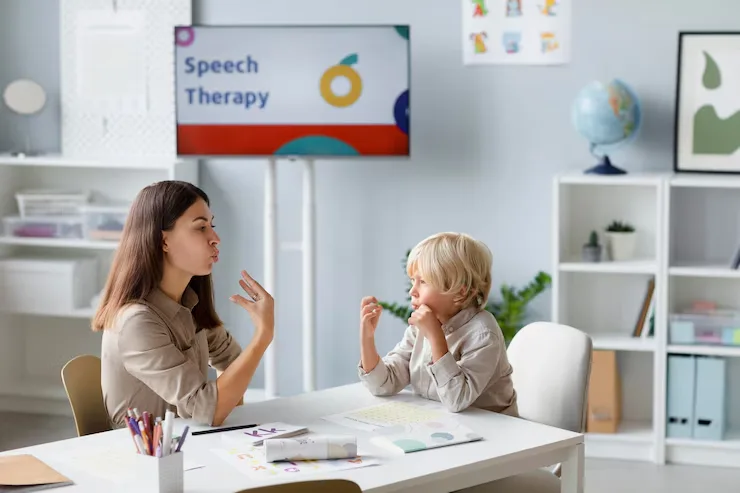
Worried your child isn’t talking yet? Learn signs of speech delays in children and when to seek expert help for early support and progress. Let’s be honest, watching your little one grow and learn to talk is one of the most exciting parts of parenting. But what if they’re not quite there yet? What if other kids are chatting away, and yours is still silent or just babbling? First things first: breathe. Every child develops at their own pace. However, when it comes to communication, understanding the signs early can make all the difference. This guide will help you understand what speech delays in children mean, when to seek help, and how early support can turn things around. Understanding Typical Speech Development Milestones Speech development starts long before the first word. Babies begin by making cooing sounds, reacting to voices, and experimenting with babbling. By their first birthday, most children start saying a few basic words. Between 18 to 24 months, their vocabulary usually begins to grow rapidly. By the time they turn two, many children are combining words like “more juice” or “go park.” From age two to three, those combinations turn into short sentences, and their speech becomes easier to understand. By age four, they should be telling simple stories and asking endless questions (you’ve been warned!). Still, there’s a wide range of “normal.” What’s important is seeing steady progress, not perfection. What Is Considered a Speech Delay in Children? A speech delay means your child isn’t meeting expected milestones for their age. There are different types, too. Some children struggle to express themselves (expressive delay), while others have trouble understanding what’s being said (receptive delay). Sometimes, it’s both. Here are a few signs that might raise a red flag: If any of these sound familiar, it’s a good time to take a closer look. What Causes Speech Delays in Children? Speech delays can happen for many reasons, and most of them are manageable with the right support. Sometimes, it’s a hearing issue. If a child can’t hear well (due to frequent ear infections or undiagnosed hearing loss), they won’t pick up language easily. Developmental conditions like autism or oral-motor issues (difficulty moving the tongue or lips) can also play a role. In other cases, the environment might not offer enough opportunities for conversation, especially if screen time is high and interaction is low. Another contributing factor may be a family history of speech or language impairments. When to Seek Professional Help Here’s the golden rule: If you’re concerned, don’t wait. You don’t need to be an expert to notice something feels off. If your child isn’t meeting key milestones or if they’re showing little to no progress over several months, it’s best to speak to a specialist. Early intervention works best when it’s early. You’re not being paranoid, you’re being proactive. Who Should You Talk To? Start with your pediatrician. They’ll guide you to the right resources based on your child’s needs. In most cases, you’ll be referred to a speech-language pathologist, someone who specializes in diagnosing and treating communication issues. If there are concerns about hearing, an audiologist may also step in. At Open Minds UAE, our team of child development experts, including speech therapists and psychologists, works together to create personalized support plans that fit your child’s unique needs. What Happens During an Evaluation? The idea of an evaluation might sound intimidating, but it’s usually a very relaxed and child-friendly process. The specialist will talk with you about your child’s development and observe how your child communicates through play and interaction. There may be simple hearing checks and some basic activities to assess understanding, expression, and speech clarity. You’ll walk away with clear answers and a roadmap forward. How Speech Therapy Can Help Speech therapy isn’t just sitting in a room repeating words. It’s play-based, engaging, and often looks like fun games, especially for younger kids. Therapists use customized strategies to help your child build language skills, whether that’s learning to pronounce sounds or understanding how to form a sentence. And yes, you’ll get tools and tips to support your child at home, too. Supporting Your Child at Home Modest adjustments to your daily schedule can have a significant impact. Talk with your child during everyday activities, describe what you’re doing while cooking, shopping, or getting dressed. Encourage pretend play, sing songs, and read books together. The more language your child hears and experiences, the more opportunities they have to learn. And one more thing: keep screens limited. Real-life conversation is still the best teacher. Final Thoughts: Reassurance for Parents If your child isn’t speaking as much as expected, don’t let fear or guilt hold you back. Children with speech impairments are more frequent than most people think, and many of them catch up brilliantly with early assistance. Asking for help is not an overreaction, and you are not alone. Taking action today could set your child up for a lifetime of confident communication.
Can Therapy Really Save Your Marriage?

You’re fighting more than talking. The spark? Feels long gone. You scroll through old photos and wonder… is this the end of us? If that sounds even remotely familiar, you’re not alone. More and more couples in Dubai and around the world are turning to marriage therapy not because they’re weak, but because they’re strong enough to try. But let’s get to the big question: Can therapy really save your marriage? Short answer? Yes, when both partners are willing to show up, be honest, and put in the work, therapy can uncover hidden issues, rebuild trust, and (believe it or not) reignite the love that brought you together in the first place. What Exactly Is Marriage Therapy? Marriage therapy (also called couples therapy) is a safe, structured space where a professional therapist helps couples work through challenges, whether it’s communication, trust, intimacy, or just growing apart. Spoiler alert: It’s not just for couples hanging by a thread. In fact, one of the biggest myths is that you only go to therapy when divorce is knocking at the door. Truth? The earlier you go, the better the outcome. Marriage therapy is about learning to talk to each other instead of talking at each other. It’s about understanding, not just reacting. And sometimes, it’s about rediscovering what made you fall in love in the first place. So, When Should You Consider Therapy? Let’s be real, every couple fights. But if these signs keep showing up, it might be time to bring in a professional: Constant arguments over the smallest things Physical or emotional intimacy is MIA Trust is broken (infidelity, lies, or emotional withdrawal) Communication feels more like a warzone You’re roommates, not partners The thing is, therapy isn’t just a last resort. Think of it like going to the gym. The earlier you start, the stronger your relationship muscles get. How Marriage Therapy Can Actually Help Imagine having a safe space where you can say what’s really on your mind without yelling, interrupting, or walking away mid-sentence. That’s what therapy offers. With the right therapist, you’ll learn tools to: Communicate without blame or shame Identify toxic patterns (like that “silent treatment” cycle) Rebuild empathy and emotional safety Solve conflicts without turning every disagreement into a disaster What Happens in a Marriage Therapy Session? The first few sessions usually focus on understanding the relationship between your history, current struggles, and goals. From there, your therapist may use approaches like: Emotionally Focused Therapy (EFT): Facilitates a deeper emotional connection between couples. Gottman Method: Excellent for resolving communication problems, based on decades of research Cognitive Behavioral Therapy (CBT): Tackles individual thought patterns affecting the relationship You’ll probably get “homework”, don’t worry, no pop quizzes! Just practical ways to apply what you learn outside the sessions. And here’s a heads-up: progress isn’t always linear. Some sessions might feel like breakthroughs, others like setbacks. That’s normal. The key? Stay committed. Will Therapy Work for Every Couple? Let’s be honest: therapy isn’t a magic wand. It works best when: If deeper issues like addiction, abuse, or untreated mental health concerns are involved, therapy can still help, but those need attention too. Sometimes, therapy helps couples realize it’s healthier to part ways, and even then, it provides healing and closure. Want to Make the Most of Marriage Therapy? Here are a few tips to boost your chances of success: Choose a therapist who specializes in couples therapy Be honest even when it’s uncomfortable Don’t expect overnight results Do the work between sessions, not just during them Remember: it’s not about winning the argument, it’s about saving the connection So… Is Marriage Therapy Worth It? Absolutely. Whether it saves your marriage or simply brings clarity, therapy is always an investment in emotional well-being. For many couples, it brings laughter back into the room. It rekindles intimacy. It makes them feel heard and seen once more. And for some, it’s the very thing that saves their relationship from falling apart. Ready to Explore If Therapy Can Help? At Open Minds UAE, we offer expert marriage therapy tailored to the unique needs of couples in Dubai and across the UAE. Our experienced therapists create a warm, judgment-free space where you and your partner can work through challenges and rebuild your bond.
How to Boost Your Child’s Self-Esteem?

You know that look on your child’s face when they finally tie their shoelaces or finish a drawing they worked hard on? That’s self-esteem in action. Self-esteem in kids is more than just feeling “good” about themselves. It’s their internal compass how they value themselves, bounce back from mistakes, and face life’s daily challenges. And yes, it affects everything from schoolwork to friendships to mental health. In this blog, we’ll explore what self-esteem really looks like in children, how to recognise the signs of low self-worth, and most importantly, how you, as a parent, can boost your child’s self-esteem in meaningful, lasting ways. Understanding Self-Esteem in Children Healthy self-esteem shows up in the little things. A child with good self-worth tends to try new things without fearing failure. They can handle feedback (even when it’s not all sunshine and rainbows), and they don’t constantly need applause to feel good about themselves. But when self-esteem is low? Kids may become overly critical of themselves. You might hear phrases like, “I can’t do anything right,” or see them shy away from challenges altogether. They might compare themselves to others constantly or give up too quickly. Several factors influence self-esteem: home environment, school pressure, peer dynamics, and even social media. While we can’t control every factor, we can shape how our children learn to value themselves. Proven Ways to Boost Your Child’s Self-Esteem Let’s talk about real-life strategies that work. Offer genuine praise. Not every coloring page needs to be called a masterpiece. But when you notice effort, say so. “You spent a lot of time blending those colors that’s great!” sounds a lot more meaningful than “You’re the best artist ever!” Praise effort over talent, and be specific. Encourage independence. It can be tempting to jump in and do everything for them, because it’s faster or less messy. But giving your child space to make age-appropriate decisions builds trust and self-confidence. Yes, letting them pack their school bag might mean a forgotten lunchbox once in a while. That’s okay. Mistakes are great teachers. Create a safe, supportive environment. Children thrive when they feel emotionally safe. That means listening without judgment, validating their feelings, and resisting the urge to compare them to siblings, cousins, or the neighbour’s genius child who speaks three languages by age five. Model positive self-talk. Kids watch us more than we realise. If they hear you say, “Ugh, I’m terrible at this,” they learn to talk to themselves the same way. Instead, try reframing. “I’m still learning this, it’s tricky, but I’ll get there.” Encourage your child to do the same when they get frustrated. Celebrate effort, not perfection. Let’s face it, nobody nails everything on the first try. Share your own stories of struggle and perseverance. When your child sees that even adults don’t always get it right, they feel less pressure to be perfect. Give them meaningful responsibilities. A child who helps water the plants or feed the pet feels like a valuable part of the household. Simple tasks build confidence. Showing them that you trust them to manage things is more important than making them “useful.” Support their hobbies and interests. Your child doesn’t have to be the next Serena Williams or Picasso to enjoy tennis or painting. Let them explore what they love, even if it’s collecting rocks or building Lego cities. Doing something purely for the joy of it boosts self-esteem naturally. What to Avoid Avoid doing everything for your child. If you always swoop in to fix their problems, they’ll start believing they can’t handle things on their own. Also, steer clear of labels. Calling a child “lazy,” “naughty,” or “shy” boxes them into an identity that may not even be true; it becomes a self-fulfilling prophecy. And try not to set expectations that are out of reach. Challenge is good. Pressure? Not so much. Setting the bar just right helps them stretch without snapping. When to Seek Help Sometimes, despite all your efforts, your child might continue to struggle with self-worth. If they frequently express feelings of worthlessness, show signs of anxiety, or start withdrawing from friends or school activities, it could be time to get professional support. At Open Minds UAE, our team of child psychologists and therapists works closely with families to help children rebuild their confidence and emotional well-being in a nurturing space. Final Thoughts Boosting your child’s self-esteem doesn’t require perfection it just needs presence. Be the safe space, the steady voice, the one who sees their worth even when they don’t. Every word of encouragement, every opportunity to try, every moment you choose connection over correction it all adds up. Raising a confident child is a journey. And you’re already on the right path.