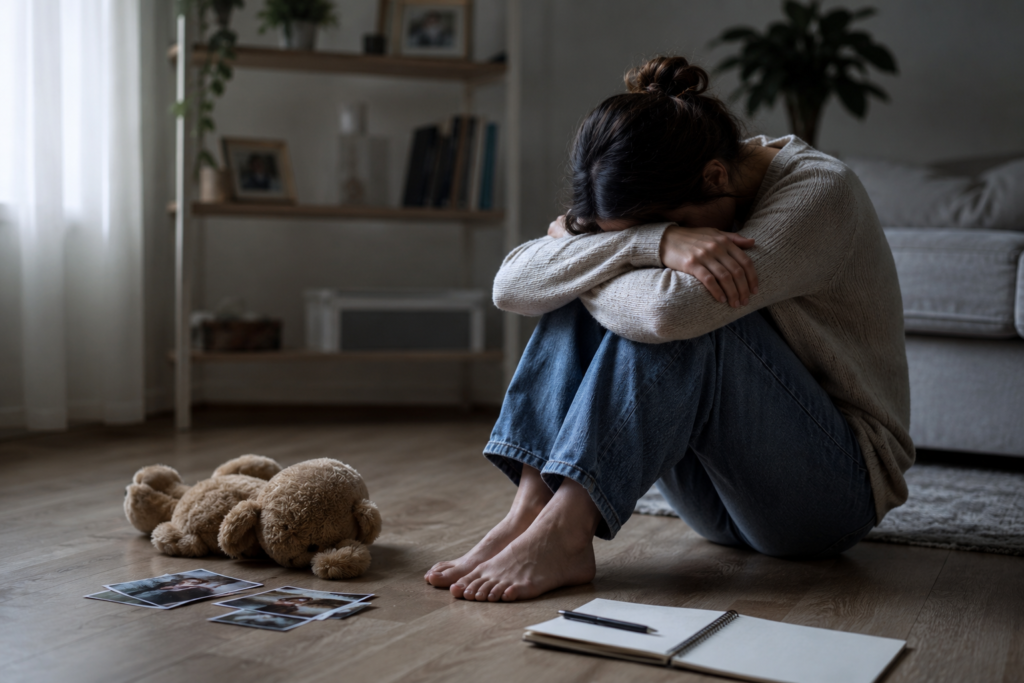
Stress is a normal part of life. A busy workday, an upcoming deadline, or an unexpected problem can make your heart race and your mind work overtime. Usually, once the situation passes, your body settles down.
But what happens when the pressure never seems to switch off?
That is where chronic stress can become a concern. When stress continues for weeks or months, it can gradually affect your emotional well-being, sleep, energy, relationships, and physical health. Recognizing the signs early can help you take action before stress starts controlling your everyday life.
What Is Chronic Stress?
Chronic stress happens when your body remains in a prolonged state of stress because stressful situations keep occurring or never seem to fully resolve.
Work pressure, financial concerns, relationship problems, caregiving responsibilities, academic demands, and major life changes can all contribute. Even small worries can add up when they happen day after day.
Think of your body’s stress response like a car engine. It is useful when you need a quick burst of energy, but keeping the engine running nonstop can eventually cause problems.
Common Signs and Symptoms of Chronic Stress
Stress does not look the same for everyone. Some people become noticeably anxious or irritable, while others simply feel exhausted and disconnected.
Common signs can include:
- Constant worry or feeling overwhelmed
- Irritability and sudden mood changes
- Difficulty concentrating
- Trouble falling or staying asleep
- Headaches and muscle tension
- Persistent tiredness
- Changes in appetite or weight
- Digestive discomfort
If these symptoms keep showing up, it may be worth looking beyond a single stressful day and considering the bigger picture.
How Chronic Stress Affects Mental Health
Your mind and body are closely connected. Prolonged stress can make it harder to think clearly, regulate emotions, and enjoy things you normally like.
Some people may experience increased anxiety, low mood, emotional exhaustion, reduced motivation, or difficulty making decisions. Others may feel constantly “on edge” and struggle to relax, even when nothing urgent is happening.
Over time, ongoing stress may also contribute to burnout. You might still be getting through your responsibilities, but everything can start to feel like just another item on an already endless to-do list.
How Chronic Stress Affects Physical Health
The effects are not only emotional. Long-term stress can also influence several physical systems.
It may contribute to increased blood pressure and cardiovascular strain, digestive problems, muscle tension, sleep difficulties, changes in appetite, and persistent fatigue. Prolonged stress can also affect immune function and leave you feeling physically drained.
That is why saying “I’m just stressed” should not always be treated as something insignificant.
The Connection Between Stress, Sleep, and Mental Health
Have you ever noticed that one bad night’s sleep makes everything feel harder the next day?
Stress can make it difficult to switch off your thoughts at bedtime. You may replay conversations, worry about tomorrow, or lie awake thinking about everything you need to do.
Then poor sleep can make it harder to manage emotions and cope with everyday challenges. This creates a frustrating cycle: stress affects sleep, poor sleep increases exhaustion, and exhaustion makes stress harder to handle.
How Chronic Stress Can Affect Daily Life
When stress becomes a constant companion, everyday life can start to feel different.
You may find it harder to focus at work, make decisions, stay patient with loved ones, or enjoy activities that once helped you relax. Some people also turn to unhealthy coping habits, such as overeating, withdrawing from others, or relying on excessive screen time.
The problem is not that you are “not trying hard enough.” Sometimes your mind and body simply need proper support and recovery.
Who May Be More Vulnerable to Chronic Stress?
Anyone can experience prolonged stress, but certain circumstances can increase exposure.
High-pressure professionals, students, parents, caregivers, and people facing financial difficulties may have fewer opportunities to switch off. Major life changes, relationship difficulties, or limited emotional support can also make stress more difficult to manage.
Living in a fast-paced environment can add another layer of pressure. The goal is not to eliminate every stressful situation, because that is unrealistic. Instead, it is about learning healthier ways to respond.
How to Manage Chronic Stress
You do not need to completely change your life overnight. Small, consistent habits can make a meaningful difference.
Start by creating a regular sleep routine and making time for physical activity. Even a daily walk can provide a useful mental reset. Relaxation exercises, mindfulness, and breathing techniques can also help you slow down.
Healthy boundaries matter too. Take breaks from work, step away from screens, stay connected with people you trust, and make time for activities that genuinely recharge you. A balanced diet and regular meals can also support overall well-being.
If stress continues despite your efforts, professional support can give you practical strategies tailored to your situation.
When Should You Seek Professional Help?
Stress deserves professional attention when it starts interfering with your sleep, relationships, work, studies, or ability to manage everyday responsibilities.
Persistent anxiety, low mood, severe exhaustion, ongoing physical symptoms, or feeling unable to cope are good reasons to speak with a qualified mental health professional or healthcare provider.
Asking for help does not mean you have failed. Think of it like getting a mechanic to check your car before a small problem becomes a major repair. Early support can help you understand what is happening and find healthier ways forward.
Frequently Asked Questions
Can chronic stress make you physically sick?
Prolonged stress can affect multiple body systems and may contribute to problems such as sleep disturbances, digestive discomfort, muscle tension, fatigue, and cardiovascular strain.
What are the most common symptoms of chronic stress?
Common symptoms include constant worry, irritability, poor concentration, sleep problems, headaches, muscle tension, fatigue, appetite changes, and digestive discomfort.
Can chronic stress cause anxiety or depression?
Long-term stress can increase the risk of anxiety and depressive symptoms, but it is not the only possible cause. Individual circumstances and other factors also matter.
How long does it take to recover from chronic stress?
Recovery varies from person to person. It can depend on how long the stress has lasted, what is causing it, your support system, and the strategies or professional help you receive.
When should I see a mental health professional for stress?
Consider professional support when stress consistently affects your daily functioning, relationships, sleep, work, studies, or emotional well-being.
Conclusion
Chronic stress is more than simply having a busy week. When pressure continues for too long, it can affect your thoughts, emotions, sleep, energy, relationships, and physical health.
The good news is that you do not have to wait until you feel completely overwhelmed before taking action. Notice the warning signs, make space for recovery, build healthier habits, and reach out for professional support when you need it.